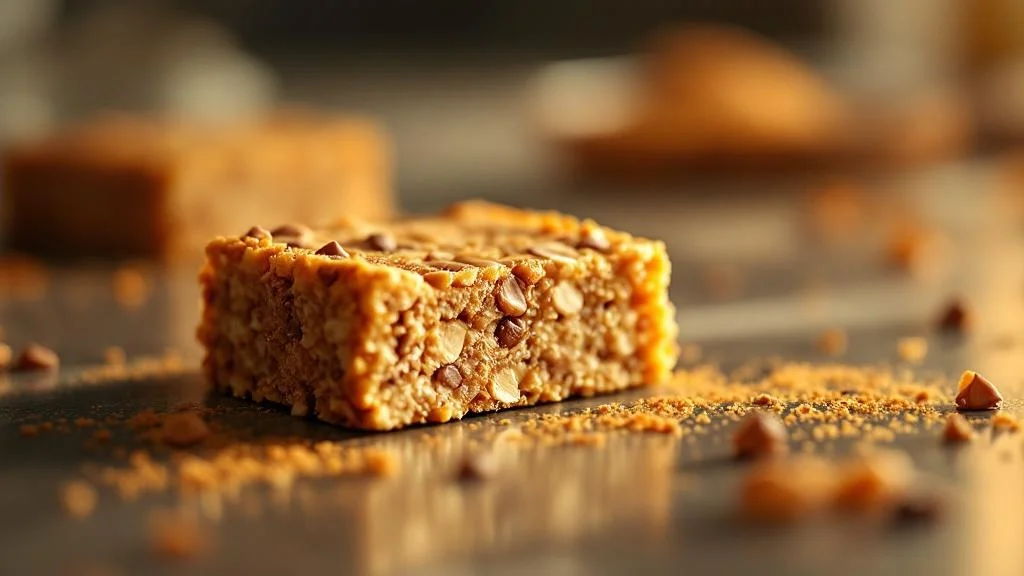
Every time I started making homemade protein bars no bake, I thought it would be simple, mix, press, chill, done. But my first three batches crumbled the second I picked them up. Chunks everywhere. Total disaster. So I kept tweaking ratios, testing binders, and eventually figured out exactly what makes these bars hold together perfectly every single time.
And honestly? Once you understand the technique behind it, it’s one of the easiest things you can prep on a Sunday. No oven. No thermometer. Just a bowl, a pan, and about 15 minutes of actual work.
Whether you’re coming off a New Year reset, trying to eat cleaner without spending $3-4 per bar at the store, or just want full control over what goes into your snacks, this guide has everything you need. We’re covering the binding science, the exact ratios, allergen swaps, storage hacks, and the honest comparison between no-bake and baked versions. Let’s get into it.
If you want a broader look at protein bar variations before diving into technique, this complete protein bar recipe collection covers over 25 approaches worth bookmarking.
No-Bake Protein Bars That Actually Hold Together Every Time
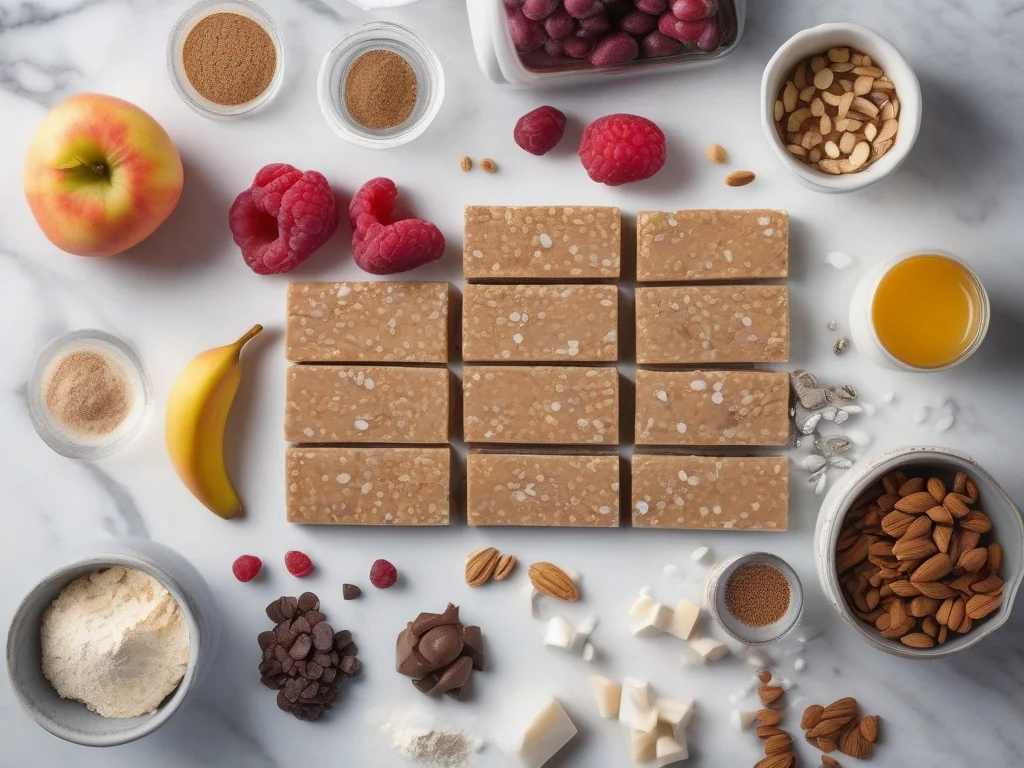
The number one frustration I hear from people trying to make easy homemade protein bars is that the bars fall apart. They pull them from the fridge, start slicing, and the whole thing crumbles. I’ve been there. It’s not a recipe failure, it’s a technique failure, and once you understand what’s going wrong, you can fix it fast.
Why Most Homemade Bars Fall Apart and How to Fix It
Most bars fall apart because the ratio of wet to dry ingredients is off. Too much dry (protein powder, oats, flour) without enough binding fat means the mixture won’t stick together, it just compresses temporarily and then crumbles when you cut it.
The other common issue is not pressing firmly enough into the pan. This sounds obvious, but there’s a real difference between spooning the mixture in loosely and actually pressing it down hard with the back of a flat spatula or even the bottom of a cup. You want to compact those layers together so they fuse as they chill.
And chilling time matters. A lot of people pull bars out after 30-45 minutes. Not enough. For clean cuts without crumbling, the bars need at least 2 hours in the fridge, ideally overnight. The fat in the nut butter and any coconut oil solidifies completely, which is what gives the bar its structure.
Quick fixes if your bars are crumbling:
- Add 1-2 tablespoons of nut butter to the batch
- Add a teaspoon of coconut oil (melted)
- Try a tablespoon of honey or maple syrup as an extra binder
- Press harder into the pan and chill longer
The Exact Binding Ratio That Keeps Every Bar Intact
After testing probably a dozen batches, here’s the ratio that never fails me for a standard 8×8 pan (makes about 12-16 bars):
- 1 cup nut butter (the primary fat-based binder)
- 1 cup protein powder (whey, pea, or any variety)
- 1.5 cups rolled oats (structure and chew)
- 1/4 cup honey or maple syrup (secondary binder + sweetness)
- 2-3 tablespoons coconut oil (sets firm when cold)
The nut butter-to-dry ratio is roughly 1:2.5 by volume. That’s the sweet spot. Go above 3 cups of dry per cup of wet, and you’ll get crumble. Go below 2 cups of dry, and bars won’t hold their shape, they’ll be greasy and soft.
Coconut oil is the hidden hero here. It’s liquid at room temperature (above 76°F) but solidifies in the fridge, acting almost like a glue that locks the bar together as it chills. It’s the reason healthy homemade protein bars can feel firm and sliceable without ever turning on the oven.
- Use natural peanut butter (the kind that separates) for better binding, the extra oil helps coat every dry particle.
- Line your pan with parchment paper before pressing in the mixture. This makes it infinitely easier to lift the slab out cleanly before cutting.
- Let bars sit at room temperature for 3-5 minutes before cutting, this prevents the coconut oil from cracking the bar like cold chocolate.
Complete Nutritional Breakdown: Exactly How Much Protein Per Bar
One of the biggest reasons I switched from store-bought to homemade protein bars no bake versions is the protein-per-dollar ratio. Store bars are expensive. And when you look at the actual protein content versus the price, the math doesn’t really hold up.
How Homemade Bars Compare to Store-Bought Protein Content
Most popular store-bought protein bars contain 10-20g of protein per bar, but they often come loaded with sugar alcohols, artificial flavors, and ingredients you’d need a chemistry degree to pronounce. And at $2.50-4.00 per bar, a week of snacking adds up fast.
A batch of homemade bars using 1 cup of protein powder, 1 cup of peanut butter, and 1.5 cups of oats costs roughly $6-8 total and makes 12-16 bars. That’s under $0.60 per bar, with a protein content that competes easily with the commercial versions.
| Bar Type | Protein per Bar | Cost per Bar | Additives |
|---|---|---|---|
| Store-bought (popular brand) | 14-20g | $2.50-4.00 | Often high |
| Homemade (peanut butter base) | 10-15g | $0.50-0.75 | Zero |
| Homemade (vegan, pea protein) | 8-13g | $0.55-0.80 | Zero |
According to Harvard’s Nutrition Source guide on dietary protein, most active adults need 0.8-1.2g of protein per kilogram of body weight daily. A couple of these bars fits neatly into that target without the sugar spike from commercial bars.
Macros Per Serving for Peanut Butter and Vegan Versions
Exact macros depend on your specific brands and portions, but here’s a realistic breakdown based on my standard batch (cut into 14 bars):
- Calories: 210-230 kcal
- Protein: 12-14g
- Carbohydrates: 18-22g
- Fat: 9-11g
- Fiber: 2-3g
- Sugar: 6-9g (from honey/dates)
- Calories: 190-215 kcal
- Protein: 9-12g
- Carbohydrates: 20-24g
- Fat: 8-10g
- Fiber: 3-4g
- Sugar: 5-8g
If you’re making homemade protein bars for weight loss, targeting bars in the 200-220 calorie range with 12-15g of protein is a solid approach. That ratio keeps you full between meals without excessive calorie load.
Allergen-Free and Diet-Friendly No-Bake Bar Recipes That Deliver
One thing I really love about making protein bars no bake at home is how ridiculously easy it is to adapt them. Store-bought bars often come with “may contain” warnings for basically every allergen known to humanity. When you make your own, you control everything.
Vegan Homemade Protein Bars With Zero Compromise on Taste
I’ll be honest, the first time I tried making a fully vegan version, I was worried it would taste like compressed chalk. Pea protein has a reputation, and not a great one. But paired with almond butter, a little cocoa powder, dates for sweetness, and some oats, the result was genuinely good. Like, I-ate-three-of-them-before-they-were-fully-chilled good.
For vegan homemade protein bars, here’s what works really well:
- Pea protein or brown rice protein powder (1 cup per batch)
- Almond butter or sunflower seed butter (1 cup)
- Medjool dates, pitted and blended (replaces honey completely)
- Rolled oats or certified gluten-free oats (1.5 cups)
- Coconut oil (2 tablespoons, melted)
- Cocoa powder for flavor depth (2 tablespoons optional)
The date paste is key here. It’s naturally sticky, adds iron and fiber, and gives a caramel-like flavor without refined sugar. Blend 8-10 soaked Medjool dates into a paste and use it as both your sweetener and secondary binder. Game changer for vegan versions.
If you want a deeper look at plant-based options, these vegan protein bar quick recipes are a great companion resource with even more flavor combos.
Safe Ingredient Swaps for Nut, Gluten and Dairy Allergies
Nut allergy? Swap any nut butter for sunflower seed butter or tahini. Both bind similarly and work at a 1:1 ratio. Sunflower seed butter is a total game changer for people with tree nut and peanut allergies, it’s creamy, rich, and has a surprisingly mild flavor.
For gluten-free bars, make sure you’re using certified gluten-free rolled oats. Regular oats are often processed in facilities with wheat, so cross-contamination is real. Alternatively, replace oats entirely with almond flour (use 25% less volume since it absorbs more moisture) or quinoa flakes.
Dairy-free is the easiest swap. Most protein powders are now available in plant-based versions. Just check your protein powder label, whey is dairy-derived, so swap for pea, rice, or hemp protein at an equal ratio.
- If using sunflower seed butter, add 1 teaspoon of lemon juice to prevent the green discoloration that happens when baking soda (sometimes in protein powder) reacts with chlorogenic acid in sunflower seeds.
- For a nut-free school-safe bar, sunflower seed butter plus pumpkin seeds plus oats is a solid combination with decent protein.
- Certified gluten-free oats are worth the extra cost if you’re baking for someone with celiac, always read the label.
Peanut Butter No-Bake Bars: The Easiest High-Protein Recipe Tested
Out of everything I’ve tested, homemade protein bars with peanut butter remain my absolute go-to. The flavor is familiar, the texture is perfect, and peanut butter is genuinely one of the best natural binding agents you can use. It’s cheap, accessible, and it works every time.
Which Peanut Butter Type Gives the Best Texture and Protein
Not all peanut butter performs the same way in no-bake bars. This took me a while to figure out because I kept swapping brands without tracking results. Here’s what I’ve learned:
| Peanut Butter Type | Binding Strength | Protein (per 2 tbsp) | Texture Result |
|---|---|---|---|
| Natural (separates, runny) | Excellent | 7-8g | Soft, fudgy |
| Conventional (Jif, Skippy) | Good | 7g | Firmer, denser |
| Powdered (PB2) | Weak alone | 5-6g | Dry, crumbly |
| Crunchy natural | Good | 7-8g | Chewy with texture |
Natural runny peanut butter (the kind where the oil sits on top) is honestly the best for binding. The extra oil coats the dry ingredients more completely, which means better cohesion after chilling. Stir it well before using and don’t drain the oil.
Powdered peanut butter alone won’t bind anything, it’s too dry. But you can mix it half-and-half with regular nut butter to get a slightly lower-fat bar without sacrificing all the binding power.
How to Substitute Every Ingredient Without Wrecking the Recipe
Substitutions are totally doable in homemade protein bars with oats, you just need to understand what role each ingredient plays. Replace it with something that serves the same function.
- Peanut butter (binder/fat): Swap 1:1 for almond butter, cashew butter, or sunflower seed butter
- Protein powder (structure/protein): Replace with collagen powder or additional almond flour (reduce other dry ingredients by 20%)
- Rolled oats (structure/chew): Use quinoa flakes, almond flour, or puffed rice, but reduce volume by about 25%
- Honey (binder/sweetness): Use maple syrup, agave, or date paste 1:1 by volume
- Coconut oil (cold-setting fat): Use refined butter or ghee, same solidification behavior when chilled
- Chocolate chips (mix-in): Raisins, dried cranberries, cacao nibs, or chopped nuts all work
The most important rule when substituting: keep your wet-to-dry ratio in range. If you swap a wet ingredient for something drier (or vice versa), compensate somewhere else in the recipe. That’s how you avoid disaster without having to start over.
No-Bake vs Baked Protein Bars: Which One Wins on Every Metric
I get this question all the time. And I’ll give you the honest answer, not the one that sounds obvious. Both have a place, and the right choice depends on what you want out of the bar. But if convenience is your priority, homemade protein bars no bake win by a mile.
Texture, Protein Retention and Prep Time Compared Side by Side
Let me lay this out clearly because the texture difference is real and it matters for daily snacking habits.
| Metric | No-Bake | Baked |
|---|---|---|
| Active prep time | 10-15 minutes | 15-20 minutes |
| Total time to eat | 2-3 hours (chilling) | 40-50 minutes |
| Texture | Fudgy, dense | Chewy, cake-like |
| Protein retention | Full (no heat) | Slight reduction |
| Dishes used | 1 bowl, 1 pan | 1 bowl, 1 pan, oven |
| Works for meal prep | Yes, excellent | Yes, good |
For a Thursday night when you need snacks prepped for the week ahead, no-bake wins purely on simplicity. Mix, press, fridge. Done while you’re watching TV.
When Baking Actually Destroys Protein and Why No-Bake Wins
Here’s the science part that surprised me when I first learned it. Protein denaturation, the process where heat permanently changes protein structure, starts around 140-150°F. Most baked protein bar recipes hit oven temperatures of 325-350°F.
At those temperatures, whey protein in particular can denature significantly. It doesn’t disappear, denatured protein is still protein, but its structure changes, which can affect digestibility and that soft texture you want in a snack bar. Some proteins become rubbery or chalky after baking at high heat.
No-bake versions skip this entirely. Your protein stays in its native state, the texture is naturally soft and fudgy, and you’re not fighting with a hot oven. For homemade protein bars without protein powder, this matters even more, using whole food protein sources like nuts, seeds, and oats means heat can actually reduce some of the nutritional value over time.
So yes. For everyday snacking and meal prep, no-bake is the smarter, faster, and arguably more nutritious approach.
The One Storage Trick That Keeps Bars Fresh 3x Longer
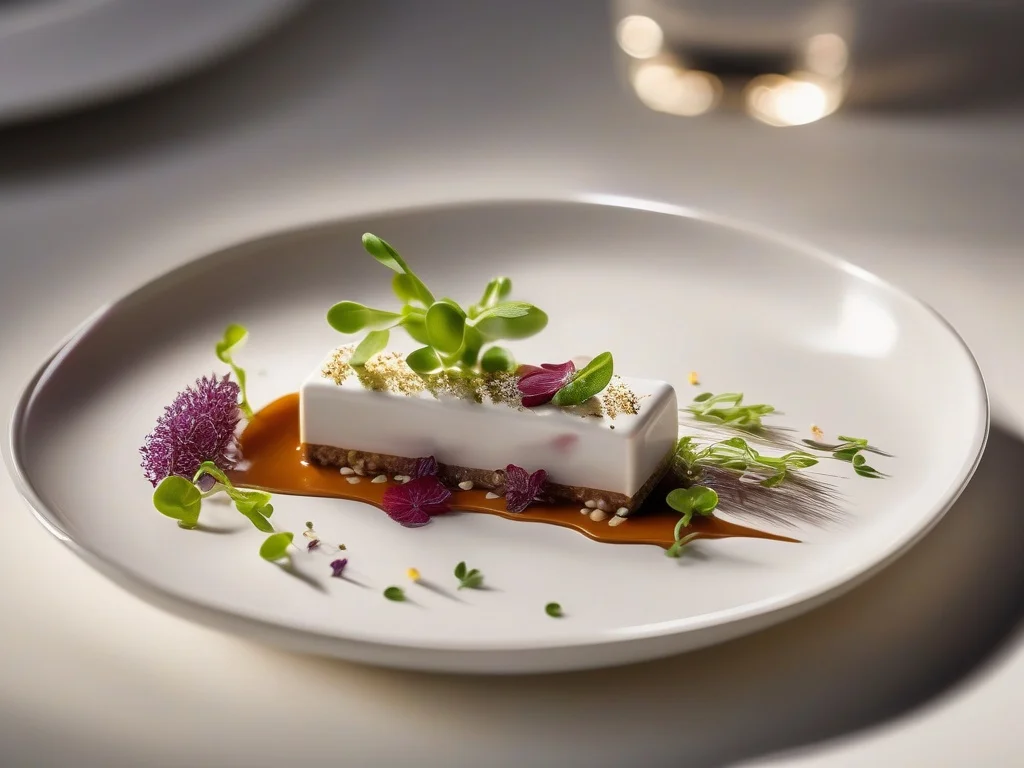
I didn’t figure this out until probably my sixth or seventh batch. I kept storing bars stacked directly in a container and then wondering why the ones at the bottom got greasy and soft by day four. The trick is simple, and it makes a genuinely big difference.
Before we get into it, if you’re still building your recipe repertoire, this getting-started resource on the site is worth reading to understand the philosophy behind keeping things simple and practical.
Exact Shelf Life by Storage Method: Fridge, Freezer and Counter
Here’s what I’ve tested firsthand across multiple batches and ingredient combinations:
| Storage Method | Shelf Life | Best For |
|---|---|---|
| Counter (airtight, cool) | 5-7 days | Quick grab-and-go |
| Refrigerator (airtight) | 2-3 weeks | Weekly meal prep |
| Freezer (individually wrapped) | Up to 3 months | Bulk batching |
The actual trick? Wrap each bar individually in a small piece of parchment paper before placing them in the container. This does two things: it prevents bars from sticking together as fats transfer, and it keeps the texture of each bar independent. No more soggy bottoms or bars that fuse into one giant block.
For freezer storage, individually wrapped bars thaw in 30-45 minutes at room temperature, or you can eat them slightly frozen, they have a texture somewhere between a Clif bar and a frozen fudge pop. Honestly kind of great on a hot afternoon.
How to Know When Your Homemade Protein Bar Has Gone Bad
Knowing when to toss them is just as important as knowing how to store them. Here are the signs I’ve learned to watch for:
- Off smell: Rancid fat has a distinct sour or paint-like odor. If the bar smells off, trust your nose and toss it.
- Visible mold: Any fuzzy growth means the whole batch goes. Don’t try to cut it off.
- Unusual texture change: If a refrigerated bar becomes slimy or excessively soft (not just room-temperature softness), it’s past its prime.
- Stale or cardboard taste: Usually means the oats have gone rancid, happens faster at room temperature.
Bars with higher fat content (more nut butter or coconut oil) actually preserve slightly better than lower-fat versions because fat acts as a natural barrier to moisture absorption. If you’ve added fresh fruit, Greek yogurt, or any fresh dairy, keep those bars strictly refrigerated and consume within 5-7 days.
Always label your container with the date you made the batch. I use a piece of masking tape on the lid with a marker, simple, costs nothing, saves a lot of guesswork.
- Individually wrap bars in parchment paper before storing them together in a container, this prevents moisture and fat transfer between bars.
- Freeze half your batch immediately after chilling if you know you won’t eat them within a week. They pull from the freezer perfectly for months.
- Label with date made and expiration target, use “Made: [date] / Best by: [date+2 weeks]” on the container lid.
I remember the first January after I really committed to meal prepping, I was making a big batch of no-bake protein bars every Sunday. By Tuesday, half of them had turned into a greasy mess at the bottom of the container because I’d just stacked them without any separation. I actually ate them anyway (no shame), but figured there had to be a better way. That’s when I started wrapping each bar individually in parchment before stacking, and the difference was immediately obvious. Bars stayed firm, separate, and fresh all the way through Friday. That tiny habit shift is genuinely one of the most practical things I’ve learned making healthy homemade protein bars over the years.
Absolutely. You can make homemade protein bars without protein powder by relying on whole-food protein sources instead. Hemp seeds, pumpkin seeds, almond butter, peanut butter, and rolled oats all contribute meaningful protein. A combination of 1 cup of nut butter, 1/2 cup of hemp seeds, and 1.5 cups of oats will get you to around 8-10g of protein per bar with no powder required.
Frequently Asked Questions About No-Bake Protein Bars
The key is the right ratio of wet to dry ingredients. Use 1 cup of nut butter, 1/4 cup honey or maple syrup, and 2-3 tablespoons of coconut oil as your wet base. Keep dry ingredients (protein powder + oats) to no more than 2.5 cups total. Press firmly into a parchment-lined pan and refrigerate for at least 2 hours before cutting. If bars still crumble, add 1-2 tablespoons more nut butter or a teaspoon of coconut oil to the batch.
Wrap each bar individually in parchment paper, then store in an airtight container. Room temperature works for 5-7 days, refrigerator for 2-3 weeks, and freezer for up to 3 months. Always label your container with the date made. If your bars contain fresh fruit or dairy, keep them refrigerated and eat within one week.
Yes, protein bars are highly adaptable. Swap nut butters 1:1, replace oats with almond flour at 25% less volume, and use maple syrup or date paste in place of honey at equal amounts. The key rule is to maintain your wet-to-dry ratio when substituting. If you swap something wet for something dry, compensate by adding a little more liquid binder elsewhere.
At room temperature in an airtight container: 5-7 days. In the refrigerator: 2-3 weeks. In the freezer: up to 3 months. Bars with higher nut butter content last slightly longer than lower-fat versions. Any bar containing fresh fruit, yogurt, or dairy should be refrigerated and consumed within 5-7 days.
A standard batch using 1 cup protein powder, 1 cup peanut butter, and 1.5 cups oats (cut into 14 bars) provides approximately 12-14g of protein per bar. To increase protein content, add up to 1.5 cups of protein powder per batch, or include hemp seeds and additional nut butter. Track your exact totals by calculating protein from each ingredient and dividing by bar count.
No-bake bars take 10-15 minutes of prep plus 2 hours of chilling, deliver a fudgy texture, and preserve protein structure fully since no heat is applied. Baked bars require 30-40 minutes total, produce a chewier cake-like texture, and may slightly denature proteins at higher oven temperatures. For convenience, meal prep, and protein retention, no-bake is the practical winner for most people.
Final Thoughts on Homemade Protein Bars No Bake
Making homemade protein bars no bake isn’t complicated once you understand the binding ratio, the role of each ingredient, and the simple storage habits that keep them fresh all week. These aren’t just convenient, they’re genuinely better than most of what’s on the shelf in terms of ingredients and cost.
I keep a batch in my fridge almost every week now. Perfect for those Tuesday afternoons when hunger hits at 3pm and you need something real, fast, and filling. No wrapper to read, no ingredients you can’t pronounce. Just food that works.
The technique matters more than the recipe. Get the ratio right, press firmly, chill completely, and store properly, and you’ll have bars that hold together, taste great, and last all week. That’s genuinely all there is to it.
For more ideas, recipes, and healthy eating inspiration, browse everything at the AliceTasty home page. And if you’d like to know a little more about who I am and why I started this, you can read my story on the About page. Have questions or just want to share how your batch turned out? I’d genuinely love to hear from you, reach out through the Contact page anytime.
Leave a Reply