Author: cf6_saas

  • The Ultimate Guide to High Protein Shrimp Recipes: 20 Delicious Ways to Hit Your Macro Goals

    The Ultimate Guide to High Protein Shrimp Recipes: 20 Delicious Ways to Hit Your Macro Goals

    High Protein Shrimp Recipes completely changed how I approach weeknight dinners, and honestly, I wish I’d discovered this sooner. I used to think hitting my protein goals meant choking down plain chicken breast every single day. Boring, repetitive, and kind of demoralizing after a while. Then I started cooking with shrimp seriously, and everything clicked.

    Shrimp cooks in minutes, packs an incredible amount of protein per serving, and takes on flavor like almost nothing else. Whether you’re deep into a fitness routine, trying to lose weight, or just want meals that actually keep you full, shrimp belongs in your weekly rotation. And I’m going to show you exactly how to make it work.

    Quick Answer: High Protein Shrimp Recipes are fast, flexible, and genuinely macro-friendly. Shrimp delivers roughly 20-24g of protein per 3oz serving with under 100 calories, making it one of the best proteins for fitness goals. Most recipes come together in 20 minutes or less, perfect for meal prep or busy weeknight dinners.

    I’ve tested dozens of variations over the past few years, everything from garlic butter skillets to cold shrimp salads to meal-prepped stir fry bowls. Some flopped spectacularly. Others became weekly staples. This guide is everything I’ve learned packed into one place, with real nutritional data, honest tips, and recipes that actually taste like something you’d want to eat.

    If you’re new to cooking shrimp at home, don’t worry. I was nervous my first time too. Overcooked it completely, rubbery little curls that tasted like regret. But once I understood the basics, it became one of the easiest proteins I cook. Let me walk you through all of it.

    For more ideas on building meals around whole, satisfying ingredients, check out my approach to healthy everyday cooking where I break down my overall philosophy on eating well without making it complicated.

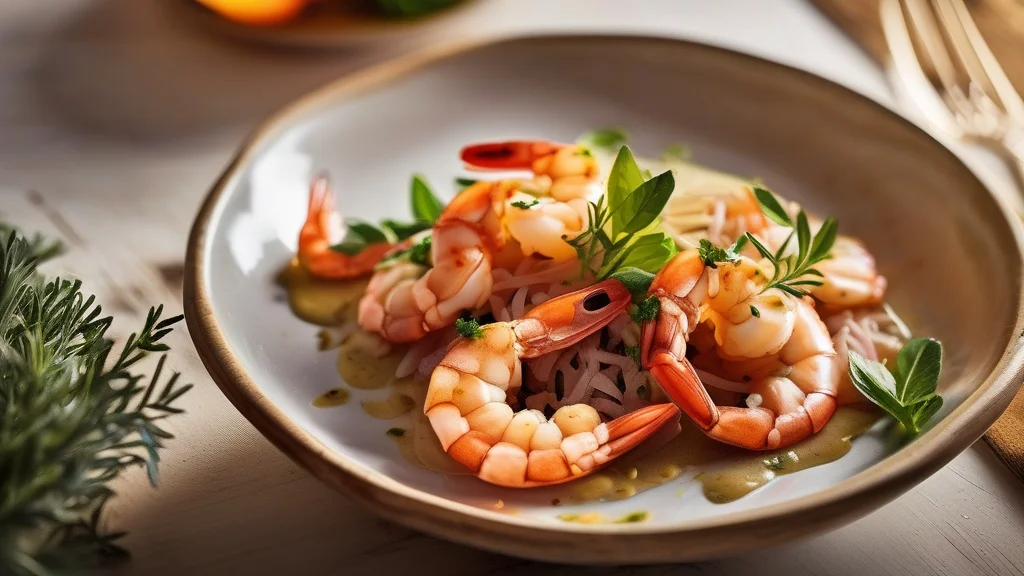
    High Protein Shrimp Recipes overview

    Shrimp Packs 24g Protein Per 3oz: Here’s Why It Wins for High Protein Shrimp Recipes

    I remember standing in the grocery store a few years ago, genuinely debating between chicken thighs and a bag of frozen shrimp. The shrimp seemed almost too convenient, like a shortcut that couldn’t possibly be as nutritious. I grabbed the chicken. Classic mistake.

    Turns out, shrimp is one of the most protein-dense foods you can buy. Once I actually looked at the numbers, I started buying shrimp every single week. The protein-to-calorie ratio is genuinely hard to beat.

    How much protein does shrimp have per serving exactly

    A 3oz cooked serving of shrimp delivers around 18-20g of protein and only about 84 calories. Scale up to a generous 4oz portion, which is realistic for a real meal, and you’re looking at roughly 24g of protein for well under 120 calories. That’s remarkable.

    Shrimp is also a complete protein, meaning it contains all nine essential amino acids your body can’t produce on its own. That matters for muscle repair, recovery, and satiety. According to shrimp nutritional profile and health benefits, shrimp also provides significant amounts of selenium, iodine, and omega-3 fatty acids alongside that impressive protein content.

    Here’s a quick comparison to put things in perspective:

    Protein Source Protein per 3oz Calories per 3oz Fat per 3oz
    Shrimp (cooked) 20g 84 0.9g
    Chicken Breast 26g 165 3.6g
    Tilapia 21g 109 2.3g
    Lean Ground Turkey 22g 180 8g
    Eggs (2 large) 12g 143 9.5g

    Why shrimp beats chicken for low calorie high protein meals

    Chicken breast is great. I’m not going to pretend otherwise. But when you’re watching calories and trying to maximize protein, shrimp has a distinct edge. You get nearly the same protein with almost half the calories. That’s not a small difference.

    Shrimp also cooks in literally 3-4 minutes. Chicken breast? You’re looking at 12-15 minutes minimum, and you have to be careful not to dry it out. With shrimp, the margin for error is tighter on one end (overcooking makes it rubbery) but the total active cooking time is so short that it’s actually harder to mess up once you know what to watch for.

    And from a flavor perspective? Shrimp absorbs marinades and sauces sooo fast. A 15-minute marinade on shrimp does what a 4-hour marinade does on chicken. That’s a total game changer for quick high protein shrimp recipes when you’re coming home tired after work.

    💡 Pro Tips:
    • Buy frozen shrimp in bulk. It’s often fresher than “fresh” shrimp at the counter (which was likely previously frozen anyway), and it’s always ready when you need it.
    • Look for shrimp labeled 21/25 or 16/20 on the bag. These numbers refer to shrimp per pound. Larger shrimp are easier to cook without overcooking.
    • Pat shrimp completely dry before cooking. Moisture is the enemy of a good sear. Dry shrimp = better browning = way more flavor.
    • Don’t overcrowd your pan. Cook shrimp in a single layer or they’ll steam instead of sear. Work in batches if needed.

    7 Quick High Protein Shrimp Recipes Ready in 20 Minutes

    These are my actual go-to easy high protein shrimp recipes on nights when I have zero energy and about 25 minutes before I start raiding the pantry for something I’ll regret. Every single one of these has become a real staple in my kitchen, and most of them involve basic pantry ingredients you probably already have.

    How long does it take to cook high protein shrimp recipes

    Most quick high protein shrimp recipes come together in 15-20 minutes from fridge to plate. Shrimp itself takes 2-4 minutes per side in a hot skillet, or about 12 minutes in a 400°F oven. The rest of the time is just prep and whatever sides you’re making.

    Here’s a realistic timing breakdown for the 7 fastest options:

    Recipe Total Time Protein per Serving Difficulty
    Garlic Butter Shrimp Skillet 12 min 28g Beginner
    Lemon Herb Shrimp Bowl 15 min 32g Beginner
    Spicy Shrimp Lettuce Wraps 15 min 25g Beginner
    High Protein Shrimp Stir Fry 18 min 35g Easy
    Shrimp and Egg White Scramble 12 min 38g Beginner
    Shrimp Avocado Salad 10 min 24g Beginner
    Coconut Lime Shrimp 20 min 30g Easy

    Best high protein shrimp stir fry for busy weeknights

    My high protein shrimp stir fry is literally the meal I make when I haven’t planned dinner and it’s already 6pm. It takes about 18 minutes including chopping, and the flavor is genuinely impressive for something that requires almost no effort.

    The base is simple: shrimp, broccoli, snap peas, and bell pepper tossed in a sauce made from low-sodium soy sauce, sesame oil, fresh ginger, and a tiny bit of honey. The ginger-sesame smell when it hits a hot pan? You know that feeling when the whole kitchen smells incredible and you’re suddenly very glad you decided to cook instead of ordering out? That’s this dish.

    Pair it with cauliflower rice to keep it low carb, or regular brown rice if you need the extra carbs around a workout. Either way, you’re hitting 35g of protein per serving without any weird ingredients or complicated technique. Perfect for those Tuesday nights when you have exactly 25 minutes and need something that actually fills you up.

    For a deeper look at balancing protein meals throughout the week, explore more healthy meal ideas on the main site where I share my favorite approachable recipes for every day of the week.

    Every Recipe With Full Nutritional Protein Breakdown Included for High Protein Shrimp Recipes

    One thing that drives me crazy about a lot of recipe sites is the vague “healthy” claim with zero actual data. So here’s my commitment: every approach I recommend comes with real numbers. Not estimates pulled from thin air, but realistic macros based on actual ingredients and portion sizes.

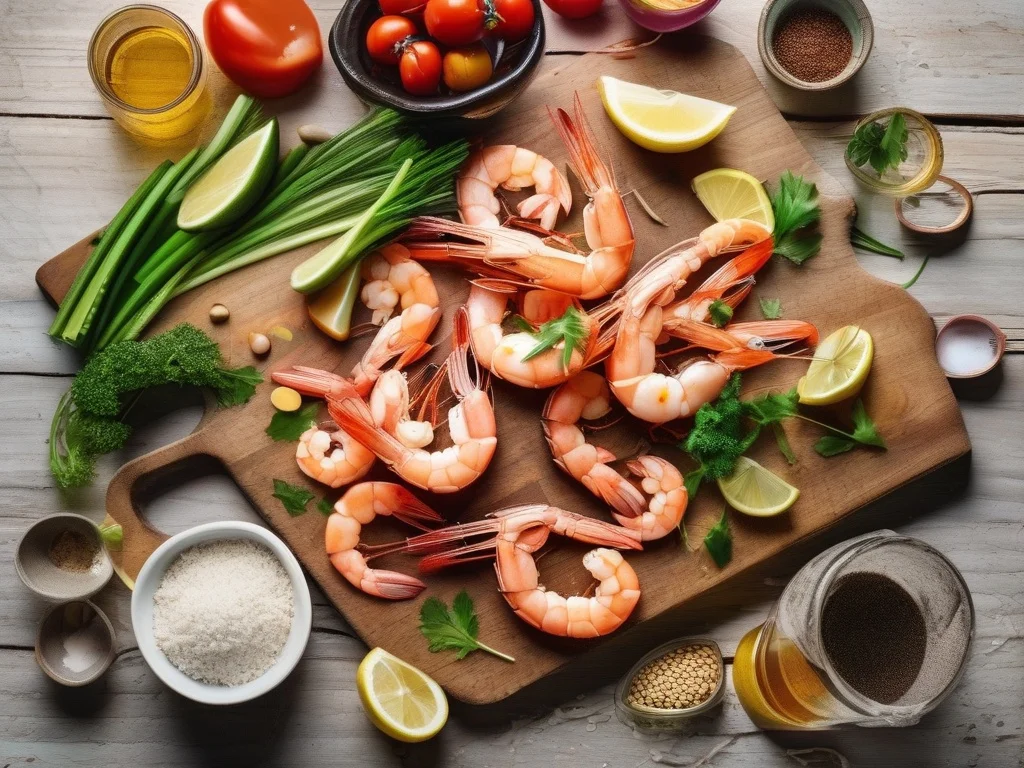
    High Protein Shrimp Recipes in depth

    Healthy high protein shrimp meals with macros per serving

    Healthy high protein shrimp meals can look really different depending on your goals. Someone in a calorie deficit needs different portion structures than someone bulking or maintaining. Here’s how I think about it for different approaches:

    Sample Nutrition Breakdown: Garlic Shrimp Bowl with Quinoa and Roasted Broccoli
    • Calories: 385
    • Protein: 42g
    • Carbohydrates: 28g
    • Fat: 10g
    • Fiber: 5g
    • Sodium: 620mg

    Based on 5oz shrimp, 1/2 cup cooked quinoa, 1 cup broccoli, 1 tbsp olive oil, garlic, and lemon.

    That bowl right there is legitimately one of my favorite weeknight meals. It’s filling, it tastes great, and 42g of protein in one sitting is hard to beat without getting into serious meal complexity.

    The key with high protein shrimp recipes is the pairing. Shrimp alone is protein-rich but not a complete meal. Add a fiber source (vegetables, legumes) and an optional complex carb, and you’ve got something sustainable that keeps hunger away for hours.

    Low carb high protein shrimp recipes under 10g net carbs

    If you’re following keto or just keeping carbs low, shrimp is practically made for you. It has zero carbohydrates on its own. All the carbs in low carb high protein shrimp recipes come from whatever you pair with it, which means you have total control.

    My favorite low-carb combinations:

    • Shrimp and Zucchini Noodles: Around 4g net carbs, 32g protein
    • Garlic Butter Shrimp over Cauliflower Rice: 6g net carbs, 35g protein
    • Spicy Shrimp Lettuce Cups: 3g net carbs, 26g protein
    • Shrimp Caesar Salad (no croutons): 5g net carbs, 30g protein
    • Lemon Pepper Shrimp with Sauteed Spinach: 2g net carbs, 28g protein

    Honestly, these options are so satisfying that I eat them even on days when I’m not restricting carbs. The cauliflower rice bowl especially, I was skeptical the first time I made it, but it’s sooo good. No one I’ve fed it to has complained about missing regular rice.

    💡 Pro Tips:
    • For keto shrimp meals, use ghee or avocado oil for cooking. Both have high smoke points and add richness without extra carbs.
    • Cauliflower rice absorbs shrimp pan juices beautifully. Add it directly to the skillet after removing the shrimp and let it soak up all that garlicky goodness.
    • Zucchini noodles release water as they cook. Salt them first, let them sit 10 minutes, then squeeze out the moisture before adding shrimp. This prevents a watery dish.

    High Protein Shrimp Pasta That Hits 40g Protein Per Bowl

    Okay so this is the section I get the most questions about. Because pasta and “high protein” don’t always go hand in hand in people’s minds. But high protein shrimp pasta is completely achievable, and when it’s done right, it’s literally the best version of a comfort meal I’ve tried that still fits my macros.

    The first time I made shrimp pasta for meal prep, I accidentally used twice as much pasta as intended because I eyeballed it. Still tasted amazing, just slightly less macro-friendly than planned. I served it anyway. Worth it.

    What sides pair best with high protein shrimp recipes

    Pairing matters a lot for both nutrition and satisfaction. When I’m building a plate around easy high protein shrimp recipes, I think about three components: the shrimp (protein), a vegetable (fiber and volume), and an optional starch (energy and satiety).

    Best sides by dietary goal:

    • Weight loss focus: Roasted broccoli, sauteed spinach, arugula salad, steamed asparagus
    • Muscle building: Brown rice, sweet potato, quinoa, whole grain farro
    • Keto: Cauliflower rice, zucchini noodles, garlic butter green beans, avocado slices
    • Mediterranean: Whole wheat couscous, roasted cherry tomatoes, cucumber salad
    • General fitness: Mixed roasted vegetables, wild rice, lentil salad

    Acidic elements like fresh lemon juice or a splash of white wine vinegar are genuinely underrated with shrimp. They cut through richness, brighten everything, and make the whole dish taste more restaurant-quality with zero extra calories.

    Swapping regular pasta to double the protein without sacrificing taste

    This is the move that changed my high protein shrimp pasta game completely. Regular spaghetti delivers about 7-8g of protein per serving. Chickpea pasta? Around 14-15g. Edamame pasta? Up to 24g. Just from the pasta itself.

    Swap regular pasta for chickpea or lentil pasta, add 5oz of shrimp, maybe throw in some white beans or a scoop of ricotta to the sauce, and you can genuinely hit 40g of protein in a single bowl. Without it feeling like a sad diet meal. It tastes like pasta. Because it is pasta.

    I was not sure this would actually work when I first tried it, but the chickpea pasta texture is really close to regular pasta when cooked al dente. Don’t overcook it, that’s the main thing. Al dente is non-negotiable. Mushy chickpea pasta is a different (disappointing) experience.

    Meal Prep 5 Days of Shrimp Protein in Under 45 Minutes for High Protein Shrimp Recipes

    Sunday meal prep is something I’ve done consistently for about three years now, and I’ll be honest, it took me a while to figure out how to include shrimp without everything getting rubbery by Wednesday. Now I’ve got a system that works really well, and I want to share exactly what I do.

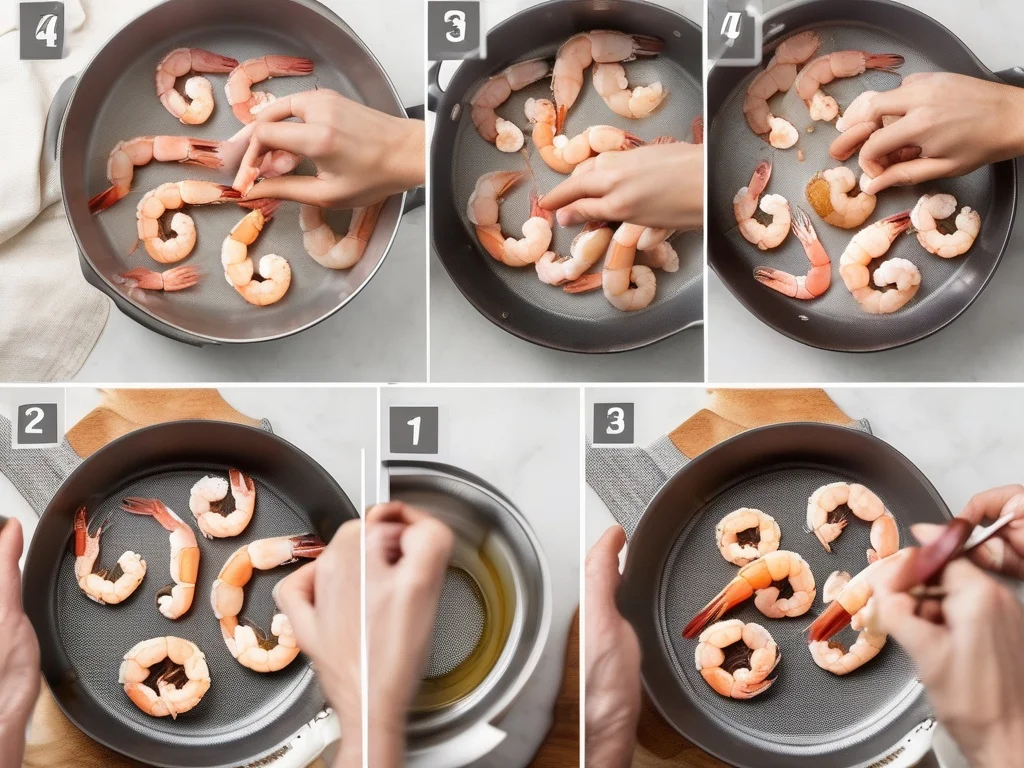
    High Protein Shrimp Recipes in practice

    Can I prepare high protein shrimp recipes in advance for meal prep

    Yes, absolutely. Shrimp is one of the better proteins for meal prep once you know a few key tricks. Cooked shrimp keeps well in the fridge for 3-4 days in an airtight container. The main rule: store shrimp separately from sauces whenever possible, and combine right before eating.

    Here’s my 45-minute Sunday shrimp prep session:

    1. Minutes 0-10: Thaw and dry 2 lbs of shrimp, mix two different marinades (one garlic-lemon, one spicy-sesame)
    2. Minutes 10-15: Cook the first marinade batch in a hot skillet, 2 minutes per side, set aside
    3. Minutes 15-20: Cook the second batch. You now have two totally different flavor profiles from the same protein.
    4. Minutes 20-35: Roast vegetables at 425°F (broccoli, bell peppers, asparagus), cook brown rice or cauliflower rice
    5. Minutes 35-45: Portion into five containers, store sauces separately

    That’s 5 lunches or dinners handled for the week, with variety so you’re not eating the exact same thing every day. That’s one of the things I genuinely love about high protein shrimp recipes for meal prep: the flexibility.

    Storage and reheating tricks that keep shrimp tender all week

    Reheating shrimp is honestly where most people go wrong. Microwave it too long and it turns into rubbery little erasers. Here’s what actually works:

    • In the microwave: Add 1-2 tablespoons of water or broth to the container before microwaving. Heat in 30-second bursts until just warmed through, not more. 60 seconds total is usually enough.
    • In a skillet: Medium-low heat, add a tiny bit of water or sauce, toss for 1-2 minutes. This is my preferred method. Much better texture.
    • Cold: Don’t overlook this option. Cold cooked shrimp over a salad or in a wrap is genuinely delicious and requires zero reheating. High protein shrimp salad made this way is one of my favorite fast lunches.

    For freezing: cooked shrimp freezes well for up to 3 months in freezer bags. Lay flat, remove as much air as possible, and thaw overnight in the fridge before using. Never thaw at room temperature, and please don’t microwave-thaw cooked shrimp. Just trust me on that one.

    To get more meal prep inspiration and ideas for building a week of balanced eating, read more on how I structure my healthy meal planning approach with simple systems that actually stick.

    The One Marinade Trick That Triples Shrimp Flavor in High Protein Shrimp Recipes

    Okay, here’s the thing I wish someone had told me years ago. The reason restaurant shrimp tastes so much better than home-cooked shrimp isn’t a secret ingredient or professional equipment. It’s acid. Specifically, the balance between fat, acid, and salt in the marinade, and the timing of when you apply it.

    Shrimp should marinate for a maximum of 15-30 minutes before cooking. That sounds counterintuitive if you’re used to overnight chicken marinades. But acid (lemon juice, lime, vinegar) actually starts to chemically “cook” shrimp if you leave it too long. You’ll end up with mushy, textureless shrimp before it even hits the heat. I learned this the hard way with a ceviche experiment that went about 2 hours too long.

    The perfect marinade ratio I use for virtually every variation of quick high protein shrimp recipes:

    • 2 tablespoons oil (olive or avocado)
    • 1 tablespoon acid (lemon juice, lime juice, or rice vinegar)
    • 1 teaspoon salt
    • 2-3 cloves garlic, minced
    • Your spice profile of choice (paprika, cumin, chili flakes, Italian herbs, etc.)

    That base works for literally any cuisine direction you want to go. Mediterranean, Asian-inspired, Mexican, classic American. Just swap the spices. The protein absorption improves too, because the fat helps carry fat-soluble nutrients into the shrimp. Not by a dramatic percentage, but meaningfully enough to matter over weeks of consistent eating.

    What are the best substitutes for shrimp in high protein recipes

    Sometimes shrimp isn’t available, or you’ve already had it three times this week and need a break. Here are the best swaps that keep the spirit of healthy high protein shrimp meals intact:

    • Scallops: Best direct swap. Similar cooking time, similar protein content (20g per 3oz), excellent texture. More expensive but worth it occasionally.
    • Cod or mahi-mahi: Great for baked or pan-seared preparations. Around 20-22g protein per 3oz. Slightly longer cook time.
    • Chicken breast: More protein (26g per 3oz) but longer cooking time. Use thin-cut for speed.
    • Firm tofu: About 17g protein per serving. Needs pressing and a bolder marinade to shine, but works well in stir fry applications.
    • Canned tuna or salmon: Fast, convenient, and protein-packed. Different texture but works in salad-style preparations.

    Is shrimp safe to eat for people with seafood allergies

    This is an important one. Shrimp is a crustacean shellfish and is one of the most common food allergens in the United States. If you have a known shellfish allergy, shrimp is not safe, full stop.

    It’s worth knowing that shellfish allergies and finfish allergies are distinct. Someone allergic to salmon or tuna may tolerate shrimp, and vice versa. But someone allergic to other crustaceans like crab or lobster is very likely to react to shrimp too, since they share similar proteins.

    If you’re uncertain about your allergy status, please consult an allergist before experimenting. Cross-contamination in shared kitchen spaces is also a real concern. For anyone who needs to avoid shrimp entirely, all the high protein recipes in this guide can be adapted with the substitutes listed above without losing much in the way of nutrition or convenience.

    Shrimp is the most consumed seafood in the United States, with Americans eating an average of 4 pounds per person per year. Its popularity surged particularly during the holiday months of November and December, when shrimp cocktail and shrimp-based party dishes become staples on celebration tables across the country.

    Conclusion: Your Starting Point for High Protein Shrimp Recipes

    If there’s one thing I want you to take away from this guide, it’s that high protein shrimp recipes are genuinely one of the most practical tools in a health-conscious kitchen. Fast, flexible, nutritious, and actually delicious. That combination is rare.

    Start simple. Pick one recipe from the 20-minute list, get comfortable with the cooking technique, and build from there. Before long, you’ll have a rotating set of shrimp meals that feel automatic, because that’s exactly how sustainable eating habits get built. Small wins, repeated consistently.

    Shrimp has genuinely earned a permanent spot in my weekly meal rotation, and I think once you try a few of these approaches, it’ll earn one in yours too. Especially heading into the holiday months when you want food that feels celebratory but doesn’t derail your goals entirely.

    Browse more delicious recipes and healthy meal ideas at alicetasty.com, and feel free to learn more about who I am and why I started this site on my About Me page. If you have questions, a recipe you’d like to see, or just want to say hi, I’m always happy to hear from you through my Contact page.

    I started seriously experimenting with shrimp about three years ago when I was trying to hit 130g of protein daily without eating the same three foods on repeat. Honestly, my first few attempts were pretty rough. I overcooked shrimp constantly, made it rubbery, and once served what I can only describe as “pink rubber bands in garlic sauce” to my partner who was very polite about it. But I kept at it. I read everything I could about technique, tested timing obsessively, and eventually figured out the exact cooking window that keeps shrimp tender and flavorful every time. Now I cook shrimp at least twice a week, and it’s become genuinely one of my favorite proteins to work with. The nutritional profile, the speed, the versatility. I couldn’t create a site about healthy eating and not make shrimp a central part of it.

    ❓ Can I use frozen shrimp straight from the freezer without thawing first?

    Yes, you can cook shrimp directly from frozen, though the results are slightly better with thawed shrimp. If using frozen directly, run them under cold water for 1-2 minutes to partially thaw, pat dry, and add about 2-3 minutes to your cooking time. Never cook frozen shrimp in a crowded pan or you’ll end up steaming instead of searing, which significantly affects flavor and texture.

    Frequently Asked Questions About High Protein Shrimp Recipes

    How much protein does shrimp have per serving?

    Shrimp contains approximately 20-24 grams of protein per 3.5oz cooked serving, with only around 99 calories. A standard 3oz portion delivers roughly 18-20g of protein. Shrimp is a complete protein containing all nine essential amino acids, and it’s extremely low in fat (under 1g per serving) with virtually zero carbohydrates. This makes it ideal for keto, paleo, and low-carb diets and gives it one of the best protein-to-calorie ratios of any food.

    Can I prepare high protein shrimp recipes in advance for meal prep?

    Absolutely. Cooked shrimp stays good in the refrigerator for 3-4 days in an airtight container. For best results, store shrimp separate from sauces and combine right before eating to maintain texture. Many preparations like shrimp salad work great cold. You can also freeze cooked shrimp for up to 3 months. Raw shrimp freezes for up to 6 months, giving you the flexibility to cook fresh batches throughout the week.

    What are the best substitutes for shrimp in high protein recipes?

    Scallops are the best direct substitute with similar protein content (20g per serving) and the same quick cooking time. Cod or mahi-mahi work well for baked or pan-seared recipes. Chicken breast offers more protein (26g per 3oz) but requires longer cooking. For plant-based options, firm tofu provides around 17g per serving and works well in stir-fry applications. Canned tuna or salmon are convenient swaps for cold or salad-style preparations.

    How long does it take to cook high protein shrimp recipes?

    Most high protein shrimp recipes are ready in 15-25 minutes total including prep. Shrimp itself cooks in just 2-4 minutes per side in a hot skillet, 3-4 minutes when stir-fried, or 12-15 minutes when baked at 400°F. This makes shrimp the fastest high-protein option available. Even frozen shrimp can be cooked without full thawing by adding just a couple extra minutes to the cook time.

    What sides pair best with high protein shrimp recipes?

    The best pairings depend on your dietary goals. For weight loss, roasted broccoli, sauteed spinach, or arugula salads add fiber and volume with minimal calories. For muscle building, brown rice, quinoa, or sweet potato complement the shrimp protein well. Keto approaches pair shrimp with cauliflower rice or zucchini noodles. Mediterranean-style meals work beautifully with whole grain farro or couscous. Acidic sides like lemon sauce or tomato preparations brighten shrimp flavor significantly.

    Is shrimp safe to eat for people with seafood allergies?

    Shrimp is a crustacean shellfish and a major food allergen, so it is not safe for people with shellfish allergies. Shellfish allergies are distinct from finfish allergies, meaning someone allergic to salmon may tolerate shrimp, though cross-reactivity can occur with other crustaceans like crab and lobster. If you’re unsure about your allergy status, consult an allergist before consuming shrimp. All the recipes in this guide can be adapted using chicken, turkey, tofu, or white fish for those who need to avoid shellfish.

  • 7 High Protein Chicken Bowl Ideas That Make Healthy Eating Genuinely Exciting

    7 High Protein Chicken Bowl Ideas That Make Healthy Eating Genuinely Exciting

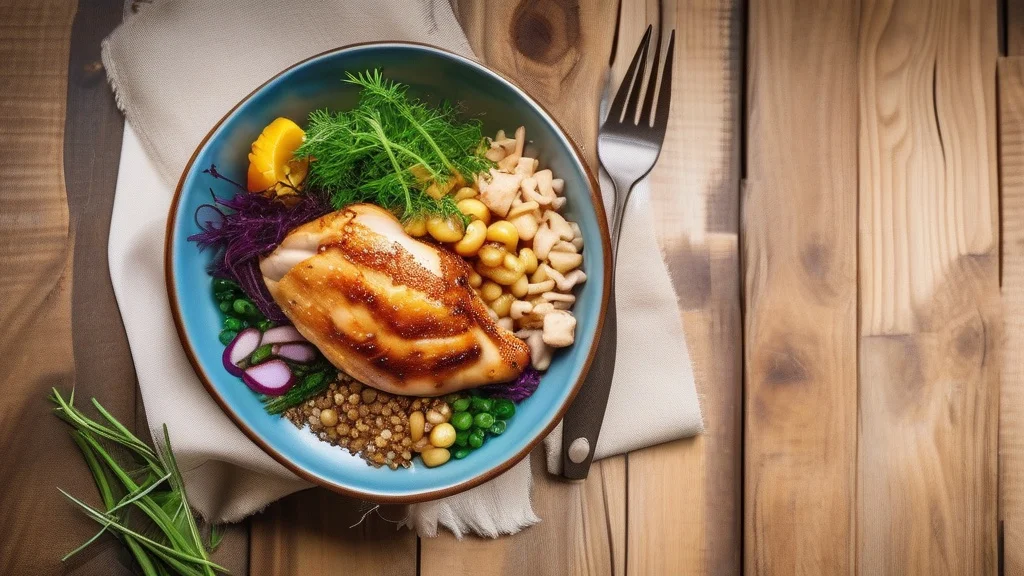
    A High Protein Chicken Bowl changed the way I eat on busy weeknights, and honestly? I didn’t see that coming. I remember standing in my kitchen last November, exhausted after a long day, staring at a sad container of leftover rice and thinking, there has to be a better way to eat healthy without dreading every meal. That bowl I threw together out of desperation turned into the foundation of how I meal prep today.

    Quick Answer: A High Protein Chicken Bowl is a delicious, easy-to-make dish perfect for weeknight dinners. Layer a grain base, seasoned chicken breast, and protein-rich toppings to hit 40-50g of protein per serving. Most versions come together in under 30 minutes and store beautifully for up to 4 days in the fridge.

    These bowls aren’t just a trend. They’re one of the most practical, satisfying, and genuinely flexible meals you can build for a fitness-focused lifestyle. Whether you’re cutting, maintaining, or just trying to eat cleaner this holiday season, this guide covers every angle you need.

    I’ve been making versions of this meal for years, and I’ve burned chicken, under-seasoned rice, and assembled some truly tragic combinations along the way. So trust me when I say, I’ve done the trial and error so you don’t have to.

    High Protein Chicken Bowl overview

    Why High Protein Chicken Bowls Dominate Every Fitness Meal Plan

    Ask any personal trainer, registered dietitian, or gym regular what they eat most consistently, and a high protein chicken bowl is almost always in the rotation. There’s a reason for that. It’s not hype. These bowls genuinely deliver on every front that matters for people trying to stay fit, lose fat, or just feel good in their body.

    I started seeing real results in my own energy levels when I switched from grab-and-go sandwiches to building intentional bowls. The difference wasn’t just physical. I stopped feeling that 3pm crash. I stopped reaching for snacks an hour after lunch. The satiety from a well-built protein bowl is just… different.

    And for anyone who’s tried to eat healthy during Thanksgiving or Christmas, having a go-to high protein meal prep option is a total game changer. You’re not white-knuckling your way through the holidays, you’re actually fueled and satisfied.

    What Makes Chicken Bowls the Ultimate High Protein Meal Choice

    Chicken breast is one of the leanest, most accessible protein sources on the planet. A 4-oz serving delivers roughly 26g of protein with barely 1g of fat. That’s an incredible macro ratio for anyone watching their intake.

    But what makes the bowl format so powerful isn’t just the chicken. It’s the layering. You’re stacking macros intentionally, protein from the chicken, complex carbs from the grain base, fiber from vegetables, and healthy fat from a topping like avocado or a drizzle of tahini. Everything works together. Nothing is wasted.

    It’s also infinitely customizable. That matters more than people realize. When a meal fits your taste, you actually eat it consistently. Consistency is where results happen, not perfection.

    How a Single Bowl Can Hit 50g of Protein Without Supplements

    50 grams of protein in one meal sounds like a lot. And without powders or shakes, it might seem impossible. But it’s genuinely not, especially once you understand how protein stacks.

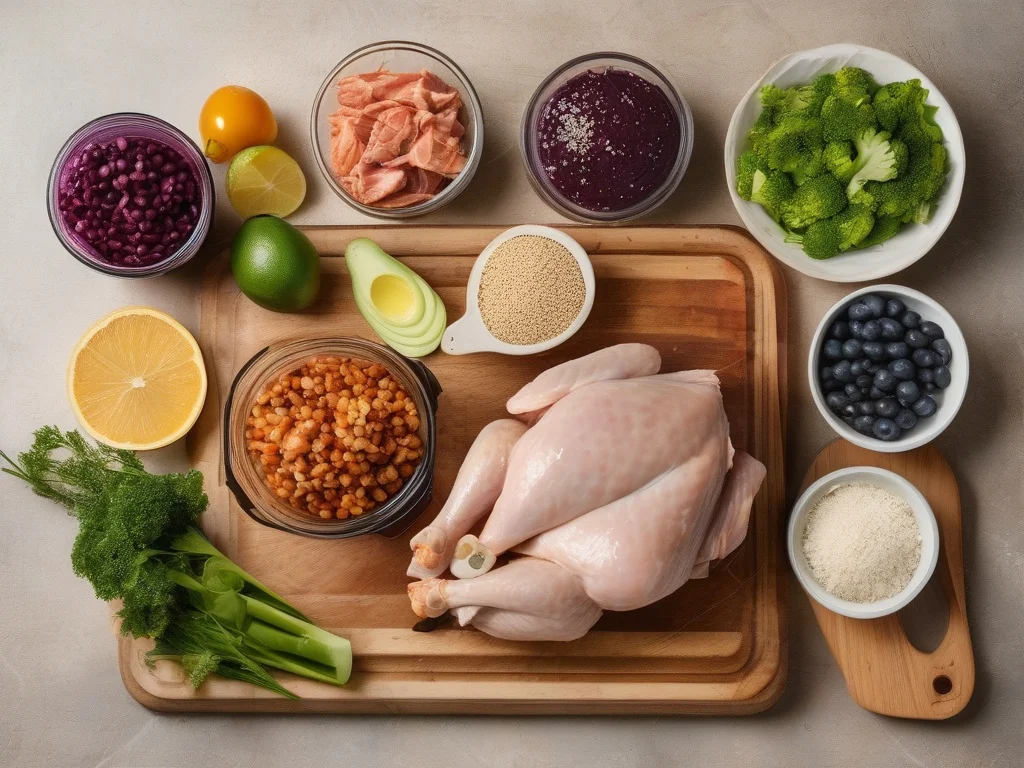
    Here’s a real example I use myself. Start with 5 oz of grilled chicken breast (about 33g protein). Add half a cup of cooked quinoa (4g protein). Throw on a quarter cup of black beans (4g protein). Top with two tablespoons of Greek yogurt-based dressing (3-5g protein). You’re already sitting at roughly 44-46g, without even counting the vegetables.

    Add a soft-boiled egg on top and you’re at 52g. Easy. No supplements. No tricks. Just whole food, layered smart. If you’re new to building meals like this, check out more healthy recipe ideas on the homepage to get started with simple foundations.

    The Exact Macro Breakdown Fitness Enthusiasts Actually Need in Every Bowl

    Knowing your macros sounds complicated. I used to avoid it entirely because the math felt overwhelming. But once I started actually tracking, even loosely, everything clicked. I stopped guessing and started seeing results.

    The key insight? A healthy high protein chicken bowl hits different goals depending on how you build it. The base ingredients stay mostly the same. What changes is the portion size and what you add on top.

    Calories, Protein, Carbs and Fat Counted Per Ingredient

    Here’s the breakdown I use as a starting reference when building my own bowls:

    Ingredient Serving Size Calories Protein Carbs Fat
    Chicken breast (grilled) 5 oz 165 33g 0g 3g
    Brown rice (cooked) 1/2 cup 108 3g 22g 1g
    Black beans (cooked) 1/4 cup 57 4g 10g 0g
    Quinoa (cooked) 1/2 cup 111 4g 20g 2g
    Avocado (sliced) 1/4 whole 58 1g 3g 5g
    Greek yogurt dressing 2 tbsp 25 3g 2g 0g

    According to Harvard T.H. Chan School of Public Health protein intake guidelines, most active adults benefit from 1.2-1.6g of protein per kilogram of body weight. A well-built bowl can cover a significant portion of that daily need in one sitting.

    How to Adjust Macros for Cutting, Bulking or Maintenance Goals

    This is where the bowl format really shines. Same core meal, totally different macros, just by adjusting a few things.

    Cutting (fat loss focus): Drop the rice portion to 1/3 cup, skip the avocado, and use a lemon-herb drizzle instead of a creamy dressing. You’ll land around 380-420 calories with 45-50g protein. That’s a genuinely powerful high protein chicken bowl for weight loss.

    Bulking (muscle gain focus): Double the rice, add a full egg, and use 6 oz of chicken. Throw in some cottage cheese on the side. You’re pushing 650-700 calories with 55-60g protein. Still clean. Still whole food.

    Maintenance: Follow the base table above almost exactly. Around 520 calories, 48g protein. Simple and repeatable.

    💡 Pro Tips:
    • Weigh your chicken raw, not cooked, chicken loses about 25% of its weight after cooking, so raw measurements are more accurate for macro tracking.
    • Batch cook your grains on Sunday. Rice and quinoa both store well for 5 days and save you 15 minutes every single night.
    • Use a food scale for at least the first two weeks. You’ll be shocked how different a “half cup” looks versus what you’ve been serving yourself.
    • Frozen edamame is a secret protein weapon, 9g per half cup, no cooking required beyond a microwave rinse.
    • If your bowl feels boring, the problem is usually the marinade, not the ingredients.

    Best Ingredients for a High Protein Chicken Bowl That Actually Tastes Good

    Here’s something I had to learn the hard way: a bowl with great macros but terrible flavor is a bowl you’ll make exactly once. And then you’ll go back to ordering takeout. So flavor matters just as much as the numbers.

    The first time I tried to build a truly clean high protein chicken bowl with rice, I used plain steamed chicken, unseasoned brown rice, and raw spinach. It tasted like a punishment. I literally ate it standing over the sink because I couldn’t bring myself to sit down with it.

    So, let’s do this right.

    Which Protein Sources Stack Best With Chicken for Maximum Gains

    Chicken is your anchor. But layering in secondary protein sources is what pushes you past 40g without adding a ton of extra calories.

    • Black beans or chickpeas: 4-7g protein per quarter cup, tons of fiber, and they absorb whatever sauce you’re using beautifully.
    • Soft-boiled egg: 6g protein, rich yolk adds creaminess, and it makes the bowl feel more luxurious.
    • Edamame: 9g per half cup, mild flavor, pairs well with Asian-style marinades.
    • Cottage cheese: Sounds weird in a bowl, but a small scoop on top of warm chicken melts slightly and adds a creamy texture with 10-12g protein per half cup.
    • Greek yogurt-based dressings: The dressing does double duty, it’s both flavor AND protein.

    You don’t need all of these in one bowl. Pick one or two secondary sources that match your flavor theme and you’re set.

    Top Base and Topping Combos That Keep Calories in Check

    The base is where a lot of people accidentally overdo it. A full cup of rice before adding anything else can already be 200+ calories. Here’s how I approach it.

    For a lighter, lower-calorie healthy high protein chicken bowl, I love combining half cauliflower rice and half brown rice. You get the bulk and satiety of a full cup of base, but the total carb count stays manageable. It sounds like a compromise but honestly, once the chicken and sauce are on top, you barely notice.

    For toppings that add volume without calories: shredded cabbage, sliced cucumber, cherry tomatoes, pickled onions, and fresh herbs like cilantro or parsley. These bring crunch, brightness, and color, all without meaningfully changing your macros.

    And fat toppings? Keep it to one per bowl. Either avocado, a drizzle of olive oil, or a tablespoon of nut butter in the sauce. Don’t double up. That’s where bowls quietly become calorie-dense without you realizing it.

    High Protein Chicken Bowl in depth

    Build Your Easy High Protein Chicken Bowl in Under 30 Minutes

    The 30-minute thing is real. I know a lot of recipes claim that and then quietly require 45 minutes of prep you somehow didn’t account for. So I’m being specific here, this is achievable on a Tuesday night when you have exactly 28 minutes before your brain turns off.

    The secret is parallel cooking. While your chicken is in the pan, your grain is heating, your vegetables are being chopped, and your sauce is being stirred. Nothing waits for anything else.

    How Long Does It Actually Take to Make a High Protein Chicken Bowl

    Realistic breakdown:

    Step Time Notes
    Marinate chicken (quick version) 5 min Even 10 min rest time helps
    Cook chicken in pan 10-12 min 5-6 min per side on medium-high
    Heat pre-cooked grain 2-3 min Microwave if using meal-prepped rice
    Chop toppings and make sauce 5-7 min Do this while chicken cooks
    Assemble bowl 2 min Layer intentionally
    Total ~25 min With pre-cooked grains

    If you’re cooking the grain from scratch, add another 15-20 minutes. That’s why I always recommend having rice or quinoa batch-cooked and ready to go. It genuinely transforms this from a 45-minute dinner into a quick weeknight win. For more meal ideas that work around a real schedule, take a look at how this site got started.

    Beginner-Proof Assembly Order for Perfect Texture Every Single Time

    Order matters more than most people think. If you put the sauce on first and the chicken on top, everything gets soggy by the time you’re halfway through. Here’s the assembly sequence I always use:

    1. Grain base first, warm rice or quinoa fills the bottom of the bowl.
    2. Leafy greens next (if using), place them slightly to the side so they don’t wilt completely under the heat.
    3. Beans or secondary protein, nestle them in.
    4. Chicken on top, sliced or cubed, placed intentionally so every bite gets some.
    5. Crunchy toppings, cucumber, cabbage, pickled onion, these go on last to stay crisp.
    6. Sauce drizzled over everything, not pooling at the bottom.
    7. Fresh herbs and seeds, sesame seeds, cilantro, scallions, the finishing touch.

    That’s it. Follow that order and your bowl will look and taste like something you’d pay $18 for at a fast-casual spot.

    💡 Pro Tips:
    • Always let your chicken rest for 3-5 minutes after cooking before slicing. It keeps the juices inside and makes every bite noticeably more tender.
    • If your sauce is too thick, thin it with a tablespoon of water or lime juice, never oil, to keep calories down.
    • Pre-portion your toppings in small containers on meal prep day. Assembly on busy nights becomes literally 3 minutes.

    High Protein Chicken Bowl Meal Prep That Lasts All Week Long

    This is where the easy high protein chicken bowl format really earns its place in a fitness lifestyle. One solid Sunday prep session and you’re eating well every single day, even when life gets chaotic.

    I started doing this during December a couple of years ago because I knew holiday social events would make daily cooking impossible. I prepped five bowls on a Sunday afternoon, kept them in the fridge, and genuinely ate better that entire week than I had in months. No impulse takeout. No skipped lunches. Just consistent, satisfying meals.

    Can You Make a High Protein Chicken Bowl Ahead of Time Safely

    Yes, absolutely. And with a few smart strategies, they stay fresh, flavorful, and texturally great for up to 4 days.

    The main thing to understand is that some components hold better than others. Cooked chicken, grains, beans, and roasted vegetables all store perfectly. Raw crunchy toppings and sauce should be stored separately and added right before eating. That’s the only real rule.

    Avocado is the one exception, it oxidizes fast. Either add it fresh daily, or toss sliced avocado in a tiny bit of lime juice before storing to slow browning. It works reasonably well for up to 2 days that way.

    Exact Storage Containers and Fridge Timelines to Prevent Soggy Bowls

    Not all containers are created equal for high protein chicken bowl meal prep. Glass containers with tight lids are my go-to. They don’t absorb odors, they reheat evenly, and you can see exactly what you’ve got without opening anything.

    Here’s my personal storage system:

    • Main bowl components (chicken, grain, beans, roasted veg): Stored together in a 3-cup glass container. Lasts 4 days in the fridge.
    • Sauce: Stored in a small 2-oz container or mason jar. Add right before eating.
    • Crunchy toppings (cucumber, cabbage, seeds): Stored in a separate small zip bag or container.
    • Fresh herbs: Wrap in a slightly damp paper towel and store in a zip bag. Stays fresh 4-5 days.

    Reheat the base components for 90 seconds in the microwave, then build on top with the cold toppings and sauce. The contrast of warm chicken and grain with crisp, cool vegetables is actually part of what makes this meal so satisfying. Don’t skip it.

    Approximate Nutrition Per Bowl (Standard Build)
    • Calories: ~520
    • Protein: ~48g
    • Carbohydrates: ~42g
    • Fat: ~10g
    • Fiber: ~8g

    Values are estimates based on a 5 oz chicken breast, 1/2 cup brown rice, 1/4 cup black beans, 1/4 avocado, and 2 tbsp Greek yogurt dressing.

    The One Marinade Trick That Triples Flavor in Every High Protein Chicken Bowl

    Okay, this is the part I’m most excited to share. Because this single technique transformed my bowls from “fine, I’ll eat it” to genuinely looking forward to lunch. Every time.

    I almost gave up on making chicken at home for a while. No matter what I did, it tasted dry and flat. I was over-cooking it out of fear, and under-seasoning it out of habit. The marinade was the missing piece, specifically, the acid in the marinade.

    High Protein Chicken Bowl in practice

    Why Acidic Marinades Unlock Juicier Chicken Every Single Cook

    Acid (from lemon juice, lime juice, apple cider vinegar, or even plain yogurt) does two things to chicken. It begins to break down the surface proteins, which allows seasoning to penetrate deeper. And it helps retain moisture during cooking so you don’t end up with that chalky, dry texture that makes clean eating feel like a chore.

    My go-to quick marinade for a high protein chicken bowl with rice or quinoa is laughably simple: 2 tablespoons of lemon juice, 1 tablespoon olive oil, 1 teaspoon garlic powder, half a teaspoon of cumin, salt, and pepper. Mix it in the bag with the chicken, let it sit while you prep everything else (even 10-15 minutes makes a real difference), and cook.

    The result smells incredible in the pan. You know that feeling when the whole kitchen fills up with garlic and citrus and something just starts to smell like a real meal? That’s it. That’s the moment.

    How This Secret Step Makes Weight Loss Bowls Actually Enjoyable

    Here’s what nobody talks about enough: the psychological side of eating well. If your food tastes great, you don’t feel deprived. And when you don’t feel deprived, you stick to your plan. That’s the whole thing.

    A well-marinated, properly seared high protein chicken bowl for weight loss doesn’t feel like diet food. It feels like a restaurant meal you made yourself. And that pride, that satisfaction, is what keeps you consistent for weeks and months instead of days.

    I’ve shared this marinade with several friends who were struggling with meal prep burnout. Every single one came back saying it changed how they felt about cooking healthy. One of them told me she stopped ordering from her usual healthy meal delivery service because she’d rather make her own now. That made my entire week.

    If you want to keep building on this momentum, browse the full collection of healthy recipes for more ideas that fit right into a fitness-focused routine.

    ❓ Can I use chicken thighs instead of chicken breast in a high protein chicken bowl?

    Yes, you definitely can. Chicken thighs have slightly more fat (around 7-9g per 4 oz versus 1-2g for breast) but they’re also more forgiving to cook and harder to dry out. The protein content is close, about 22-24g per 4 oz. If you’re in a cutting phase and tracking fat closely, breast is the better choice. But for maintenance or bulking, thighs add great flavor and are honestly more beginner-friendly.

    Frequently Asked Questions About High Protein Chicken Bowls

    How long does it take to make a High Protein Chicken Bowl?

    With pre-cooked grains, you’re looking at about 20-25 minutes total. Cooking the chicken takes 10-12 minutes in a pan, and everything else comes together while that’s happening. If you’re starting from scratch with dry rice or quinoa, budget closer to 40-45 minutes. That’s exactly why batch cooking your grains on the weekend saves so much time during the week.

    Can I make a High Protein Chicken Bowl ahead of time?

    Yes, most components can be prepped 4 days in advance without any quality issues. Cook your chicken, grains, and beans together, and store them in airtight glass containers. Keep your sauce, fresh herbs, and crunchy toppings separate and add them right before eating. This keeps textures right and flavors bright throughout the week.

    What are the best ingredients for a High Protein Chicken Bowl?

    Fresh, high-quality ingredients always produce the best results. For protein, grilled or pan-seared chicken breast is the anchor, with black beans, edamame, or a soft-boiled egg as great secondary additions. For the base, brown rice, quinoa, or a cauliflower rice blend all work well. Toppings like avocado, pickled onions, shredded cabbage, and a Greek yogurt-based sauce round everything out beautifully.

    How much protein is in a typical High Protein Chicken Bowl?

    A standard bowl with 5 oz of grilled chicken breast, half a cup of quinoa, and a quarter cup of black beans lands around 40-48g of protein before any additional toppings. Adding a soft-boiled egg or cottage cheese can push that number past 50g easily. This makes it one of the most effective high-protein meals you can build from whole foods alone.

    Is a High Protein Chicken Bowl good for weight loss?

    It’s genuinely one of the best meal formats for fat loss. High protein keeps you full longer, which reduces overall calorie intake throughout the day. The bowl format also makes portion control visual and intuitive. By keeping the grain base moderate and loading up on volume from non-starchy vegetables, you can create a satisfying meal under 450 calories that still delivers 45+ grams of protein.

    What sauce goes well with a High Protein Chicken Bowl?

    The best sauces are protein-forward and not overly calorie-dense. A Greek yogurt-based garlic herb sauce, a tahini-lemon drizzle, or a light soy-sesame dressing all work beautifully. For weight loss specifically, avoid heavy cream-based or oil-heavy sauces, they can add 150-200 calories without meaningfully increasing fullness.

    I’ve been building protein bowls seriously for about three years now, and the version I kept coming back to after all the experimenting is genuinely simple. The first time I tried tracking my macros alongside my bowl builds, I was shocked, I had been under-eating protein for years while thinking I was eating healthy. That realization changed everything. I went from hitting maybe 70g of protein daily to consistently landing at 130g+, and the difference in how I felt, how I recovered after workouts, and how stable my energy was throughout the day was night and day. The bowl format made it repeatable without being tedious. That’s what I care about most: meals that work in real life, not just on paper.

    Conclusion

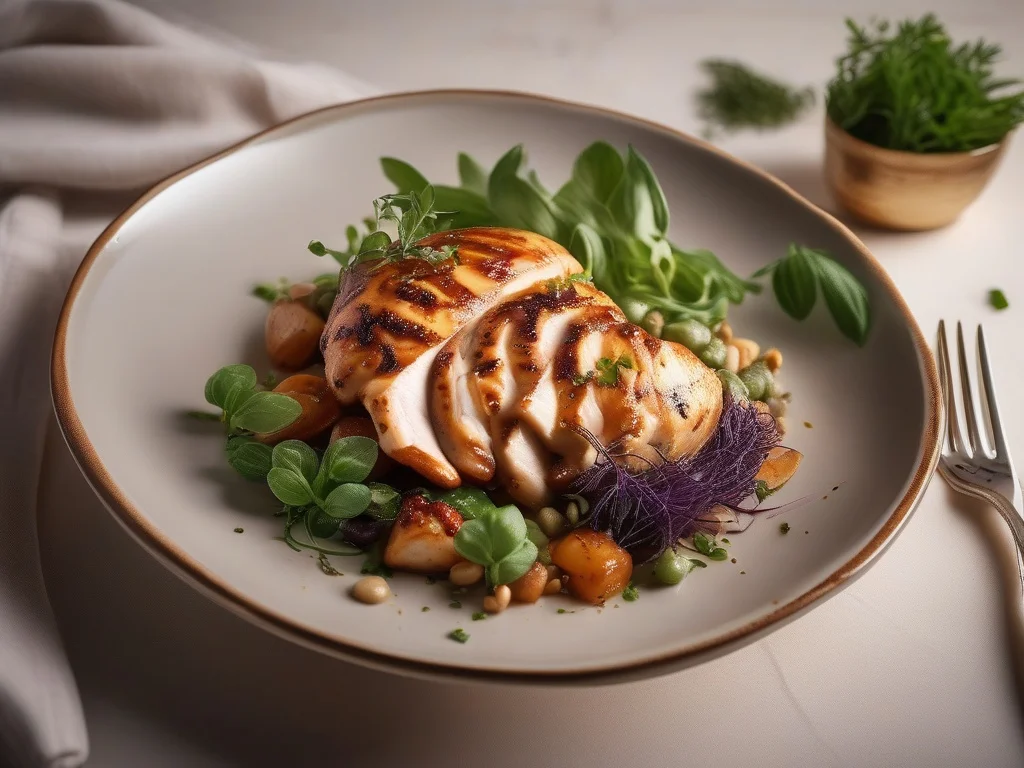
    A High Protein Chicken Bowl is one of those rare meals that genuinely does it all. It’s filling, flexible, fast, and, when you build it right, actually delicious. Not in a “this is healthy so I’ll tolerate it” way. In a real, looks-forward-to-lunch kind of way.

    Whether you’re using this as a weight loss tool with careful macro tracking, a bulk-phase protein anchor, or just a reliable dinner when the week gets hectic, this bowl format will not let you down. Build it once and you’ll understand why it dominates so many fitness meal plans.

    And if you’re just getting started with eating for your goals, know that it doesn’t have to be complicated. A High Protein Chicken Bowl is genuinely one of the most approachable entry points into intentional, satisfying healthy eating there is.

    Browse more delicious healthy recipe ideas at AliceTasty.com, and if you’d like to know more about who’s behind all of this, visit my About Me page. Have a question or just want to share how your bowl turned out? I’d genuinely love to hear from you through the Contact page.