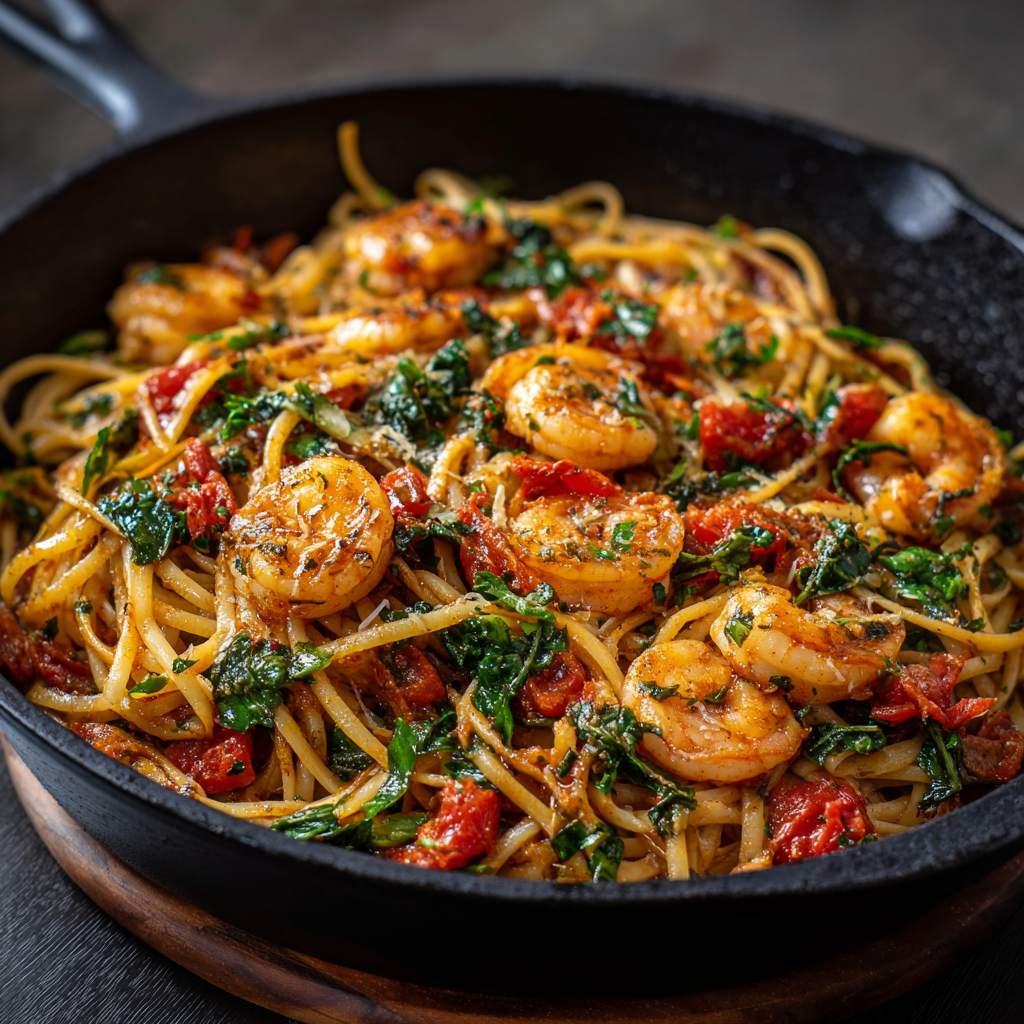
shrimp pasta
There’s something magical about a perfectly executed shrimp pasta that feels like culinary alchemy. I still remember my first bite of authentic scampi in a tiny Venetian trattoria, where the simplicity of garlic, lemon, and plump crustaceans transformed my understanding of Italian cuisine. This dish has traveled across oceans and evolved through countless kitchens, yet maintains its soulful essence. Whether you’re cooking for a special occasion or just treating yourself on a Tuesday night, mastering this classic delivers serious rewards. Today we’re exploring everything from selecting the right ingredients to avoiding common pitfalls that can sabotage your seafood masterpiece. Let’s create something unforgettable together.
html { scroll-behavior: smooth; }
.toc-link:hover { text-decoration: underline !important; }
.table-of-contents ol li { transition: transform 0.2s; }
.table-of-contents ol li:hover { transform: translateX(3px); }
📋 Table of Contents
- The Ultimate Shrimp Pasta Method for 2025
- Essential Ingredients for Perfect Shrimp Pasta
- Step-by-Step Cooking Instructions
- Expert Storage and Reheating Techniques
- 7 Game-Changing Benefits of Shrimp Pasta
- 5 Common Shrimp Pasta Mistakes to Avoid
- Delicious Variations and Alternatives
- Frequently Asked Questions
- Final Thoughts
The Ultimate Shrimp Pasta Method for 2025
Perfecting shrimp pasta requires understanding a few fundamental principles that separate mediocre results from restaurant-quality dishes. The secret lies in balancing textures and flavors while respecting each ingredient’s cooking time. Did you know that shrimp cook in just 2-3 minutes per side, while pasta needs 8-12 minutes depending on the shape? This timing disparity explains why many home cooks end up with rubbery seafood or mushy noodles. According to Wikipedia’s entry on shrimp biology, these crustaceans contain delicate muscle fibers that contract aggressively when overheated. The revolutionary approach we’ll use involves staggered cooking and a foolproof sauce emulsion technique that chefs have guarded for generations.
Essential Ingredients for Perfect Shrimp Pasta
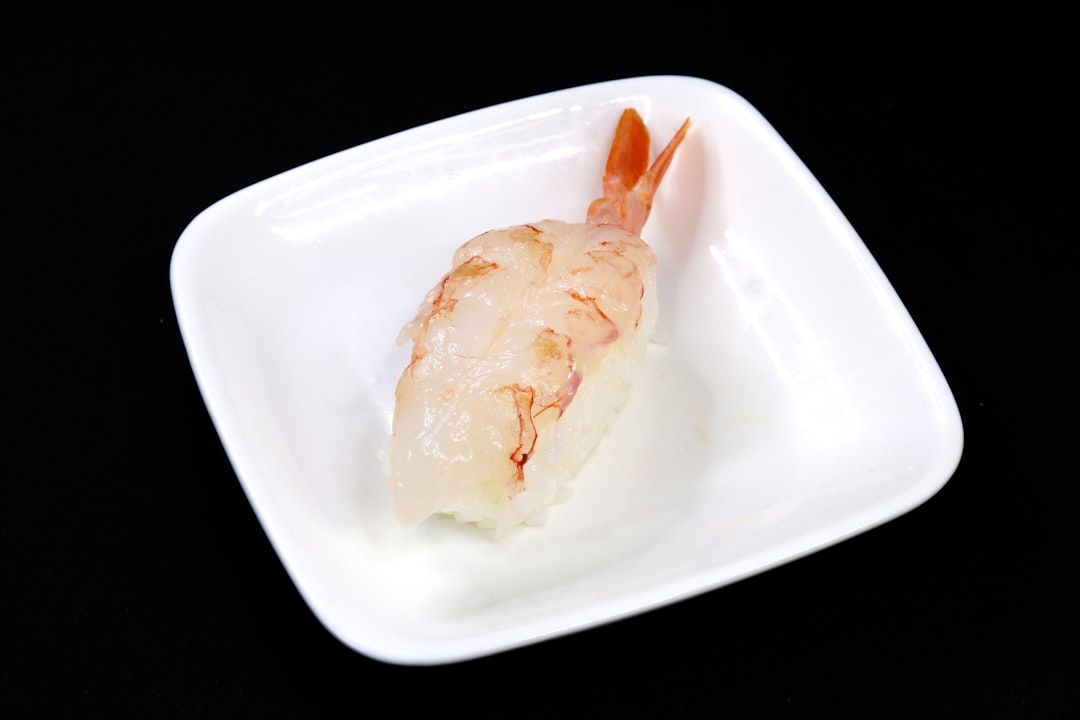
Quality ingredients transform simple dishes into extraordinary experiences. Here’s what you’ll need to create the foundation:
- 1 pound large wild-caught shrimp (16/20 count), peeled and deveined
- 12 ounces linguine or spaghetti
- 4 cloves fresh garlic, thinly sliced
- 1/2 cup dry white wine like Sauvignon Blanc
- 1/3 cup extra virgin olive oil
- 1 lemon (zest and juice)
- 1/4 teaspoon red pepper flakes
- 1/2 cup fresh parsley, chopped
- 3 tablespoons unsalted butter
- Sea salt and freshly ground black pepper
TBH, using frozen shrimp is absolutely fine if you thaw them properly in cold water. The real game-changer is fresh garlic and quality olive oil – these form the flavor backbone that makes or breaks your sauce.
Step-by-Step Cooking Instructions
- Prep Like a Pro: Bring a large pot of salted water to boil (it should taste like the sea). Pat shrimp completely dry with paper towels and season with salt and pepper. This step is crucial for achieving that beautiful sear rather than steaming the shrimp.
- Cook Smart: Add pasta to boiling water and cook until al dente. Meanwhile, heat olive oil in a large skillet over medium-high. Add shrimp in a single layer and cook 90 seconds per side until pink – they’ll finish cooking later. Remove to a plate.
- Build Flavor: Reduce heat to medium and add garlic and red pepper flakes to the skillet. Cook 60 seconds until fragrant but not browned. Pour in white wine and lemon juice, scraping up any browned bits from the pan.
- Create Magic: When pasta is 1 minute from done, use tongs to transfer it directly to the skillet along with 1/4 cup pasta water. The starchy water is liquid gold for creating an emulsified sauce. Add butter and toss continuously until a glossy sauce forms.
- Final Assembly: Return shrimp to the pan with parsley and lemon zest. Toss everything together for 30 seconds until shrimp are heated through and coated in sauce. Serve immediately with a final drizzle of olive oil.
Expert Storage and Reheating Techniques
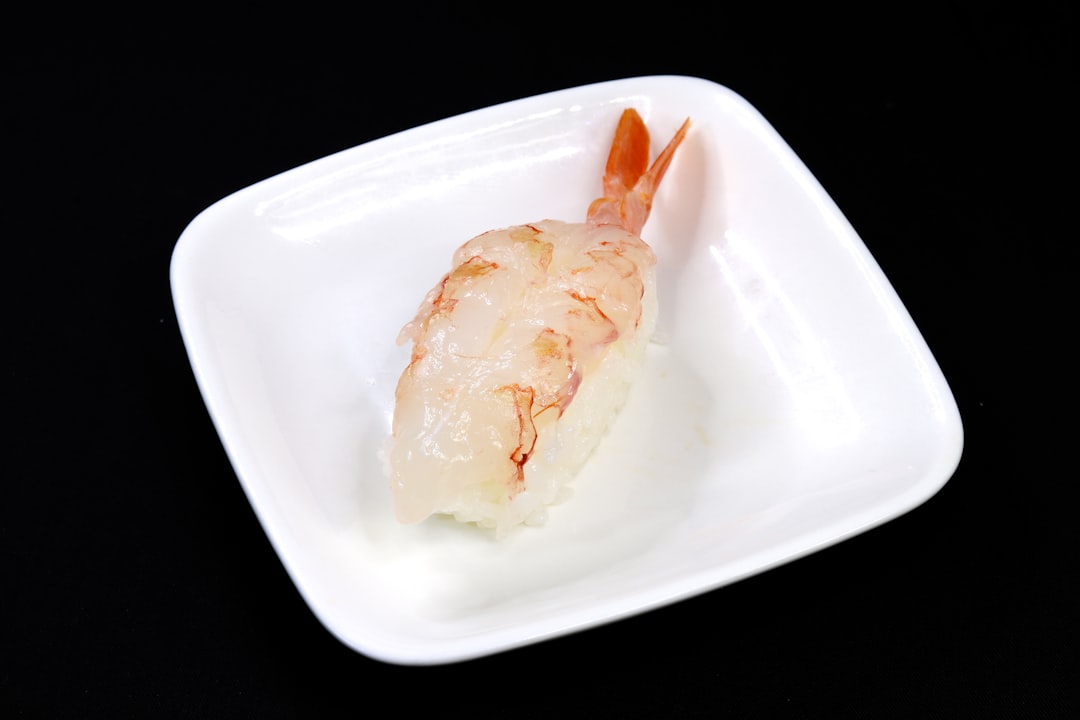
Refrigerate leftovers within 2 hours in an airtight container for up to 3 days. The tricky part is reheating without overcooking the shrimp. IMO, the best method is gently warming in a skillet with a splash of water or broth instead of microwaving. For frozen shrimp pasta, thaw overnight in the refrigerator before reheating. Add a fresh squeeze of lemon after warming to brighten the flavors that may have muted during storage.
7 Game-Changing Benefits of Shrimp Pasta
- Nutritional Powerhouse: Shrimp provide lean protein and selenium while pasta offers energizing carbohydrates
- Quick Preparation: Most recipes cook in under 20 minutes – faster than pizza delivery
- Budget-Friendly Elegance: Feels luxurious without breaking the bank compared to other seafood
- Endless Customization: Easily adapts to dietary needs like gluten-free or dairy-free
- Crowd-Pleasing Appeal: Universally loved by both kids and adults at dinner parties
- Technique Builder: Mastering this dish teaches fundamental cooking skills
- Global Inspiration: Connects you to culinary traditions from Italy to Asia
The American Heart Association notes that shrimp contain heart-healthy omega-3 fatty acids, making this dish both delicious and nutritious when prepared properly.
5 Common Shrimp Pasta Mistakes to Avoid
- Overcooked Rubber Shrimp: They continue cooking after removed from heat – pull them early!
- Soggy Noodle Syndrome: Never rinse pasta after cooking – you need that starch
- Garlic Burn Tragedy: Burnt garlic turns bitter and ruins the entire dish
- Sauce Separation: Adding cheese too early can make your sauce grainy
- Seasoning Timidity: Pasta water needs to be salty enough to season the noodles internally
Delicious Variations and Alternatives
For a creamy version, stir in 1/2 cup heavy cream after the wine reduces. Spicy lovers can double the red pepper flakes or add diced chorizo. Mediterranean style incorporates cherry tomatoes and kalamata olives. Gluten-free? Use chickpea or lentil pasta – the sauce clings beautifully. Dairy-free diets can skip the butter and use extra olive oil. For extra veggie power, toss in spinach or arugula at the end until just wilted.
.internal-recipe-link:hover {
color: #1557a0 !important;
text-decoration: underline !important;
}
Frequently Asked Questions
What is the best type of shrimp to use for shrimp pasta?
Wild-caught Gulf shrimp or US-farmed shrimp typically offer the best flavor and texture. Look for “16/20 count” which means 16-20 shrimp per pound – this size balances well with pasta. Avoid pre-cooked shrimp as they become rubbery when reheated.
How do I prevent my shrimp pasta from becoming greasy?
Greasiness usually comes from using too much oil or adding cold ingredients that break the emulsion. Measure oil carefully and ensure all components are at similar temperatures when combining. The pasta water and constant tossing action should create a creamy, non-greasy sauce.
Can I make shrimp pasta ahead of time for guests?
You can prep components separately but assemble just before serving. Cook shrimp and make the sauce base in advance, then combine with freshly cooked pasta when ready. The dish loses texture quality when stored fully assembled.
Why does restaurant shrimp pasta taste different than homemade?
Professional kitchens use extremely high heat that home stoves can’t replicate, creating better searing and faster cooking. They also typically use more butter and salt than home cooks feel comfortable using. Don’t be shy with seasoning!
What wine pairs best with shrimp pasta?
Crisp, acidic white wines like Pinot Grigio or Sauvignon Blanc complement the citrus and garlic notes beautifully. For red wine lovers, a light-bodied Pinot Noir works surprisingly well without overpowering the shrimp.
How can I thicken my shrimp pasta sauce if it’s too thin?
Let it reduce for another minute or two over medium heat while tossing constantly. If still too thin, create a slurry with 1 teaspoon cornstarch and 1 tablespoon cold water, then stir into the sauce until thickened.
Is frozen shrimp okay to use for this dish?
Absolutely! Most “fresh” shrimp at supermarkets were previously frozen anyway. Just thaw slowly in the refrigerator overnight or under cold running water. Pat them thoroughly dry before cooking to ensure proper browning.
Final Thoughts
Mastering the art of shrimp pasta opens up a world of culinary possibilities that impress without requiring professional skills. The beauty of this dish lies in its elegant simplicity – quality ingredients treated with respect create extraordinary results. Remember that cooking times may vary slightly depending on your stove and pan thickness, so trust your senses more than strict timing. I’d love to hear about your shrimp pasta adventures in
shrimp pasta
Ingredients
Quality ingredients transform simple dishes into extraordinary experiences. Here’s what you’ll need to create the foundation:
- 1 pound large wild-caught shrimp (16/20 count), peeled and deveined
- 12 ounces linguine or spaghetti
- 4 cloves fresh garlic, thinly sliced
- 1/2 cup dry white wine like Sauvignon Blanc
- 1/3 cup extra virgin olive oil
- 1 lemon (zest and juice)
- 1/4 teaspoon red pepper flakes
- 1/2 cup fresh parsley, chopped
- 3 tablespoons unsalted butter
- Sea salt and freshly ground black pepper
TBH, using frozen shrimp is absolutely fine if you thaw them properly in cold water. The real game-changer is fresh garlic and quality olive oil – these form the flavor backbone that makes or breaks your sauce.
Instructions
- Prep Like a Pro: Bring a large pot of salted water to boil (it should taste like the sea). Pat shrimp completely dry with paper towels and season with salt and pepper. This step is crucial for achieving that beautiful sear rather than steaming the shrimp.
- Cook Smart: Add pasta to boiling water and cook until al dente. Meanwhile, heat olive oil in a large skillet over medium-high. Add shrimp in a single layer and cook 90 seconds per side until pink – they’ll finish cooking later. Remove to a plate.
- Build Flavor: Reduce heat to medium and add garlic and red pepper flakes to the skillet. Cook 60 seconds until fragrant but not browned. Pour in white wine and lemon juice, scraping up any browned bits from the pan.
- Create Magic: When pasta is 1 minute from done, use tongs to transfer it directly to the skillet along with 1/4 cup pasta water. The starchy water is liquid gold for creating an emulsified sauce. Add butter and toss continuously until a glossy sauce forms.
- Final Assembly: Return shrimp to the pan with parsley and lemon zest. Toss everything together for 30 seconds until shrimp are heated through and coated in sauce. Serve immediately with a final drizzle of olive oil.
Recipe from alicetasty
Want a printable PDF version?